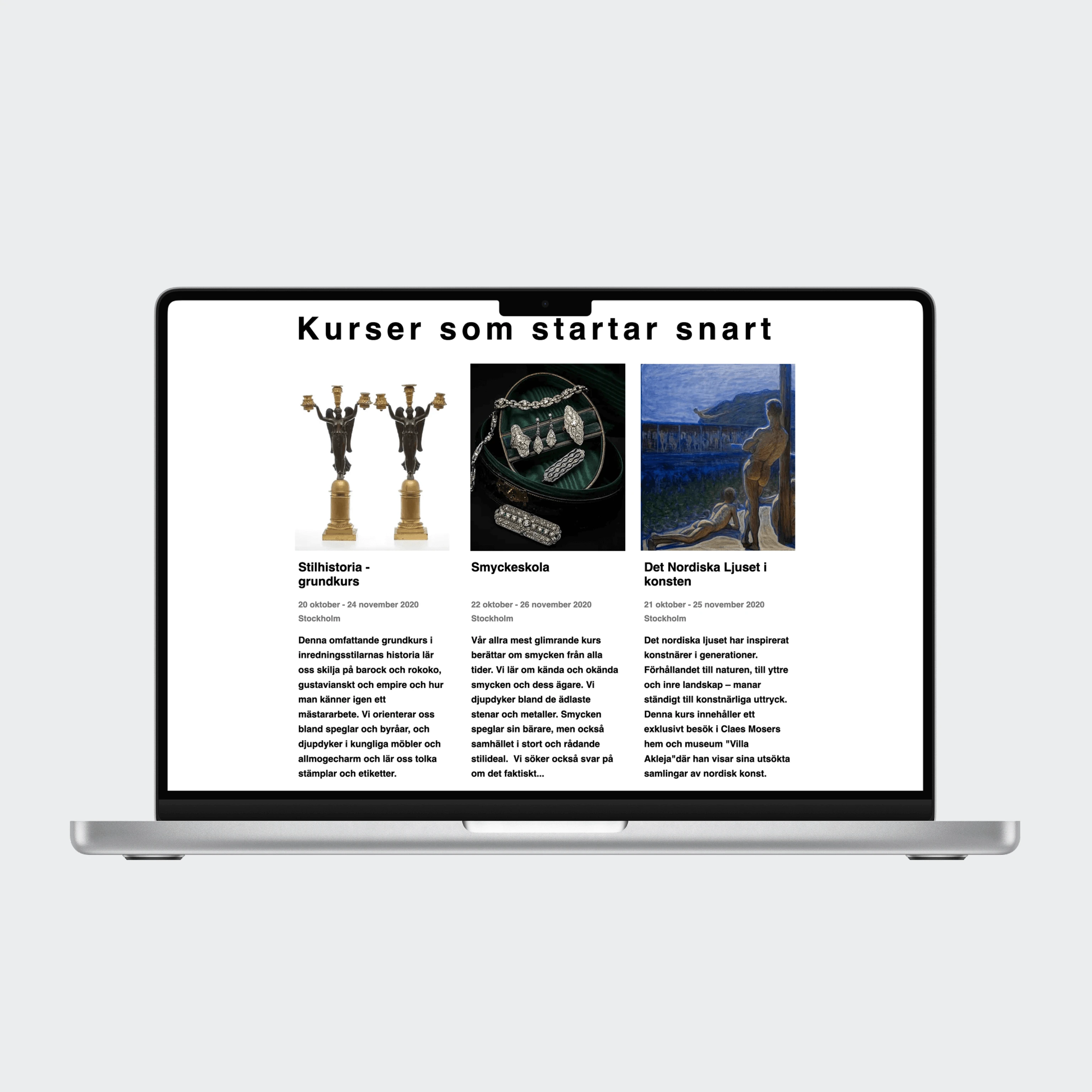
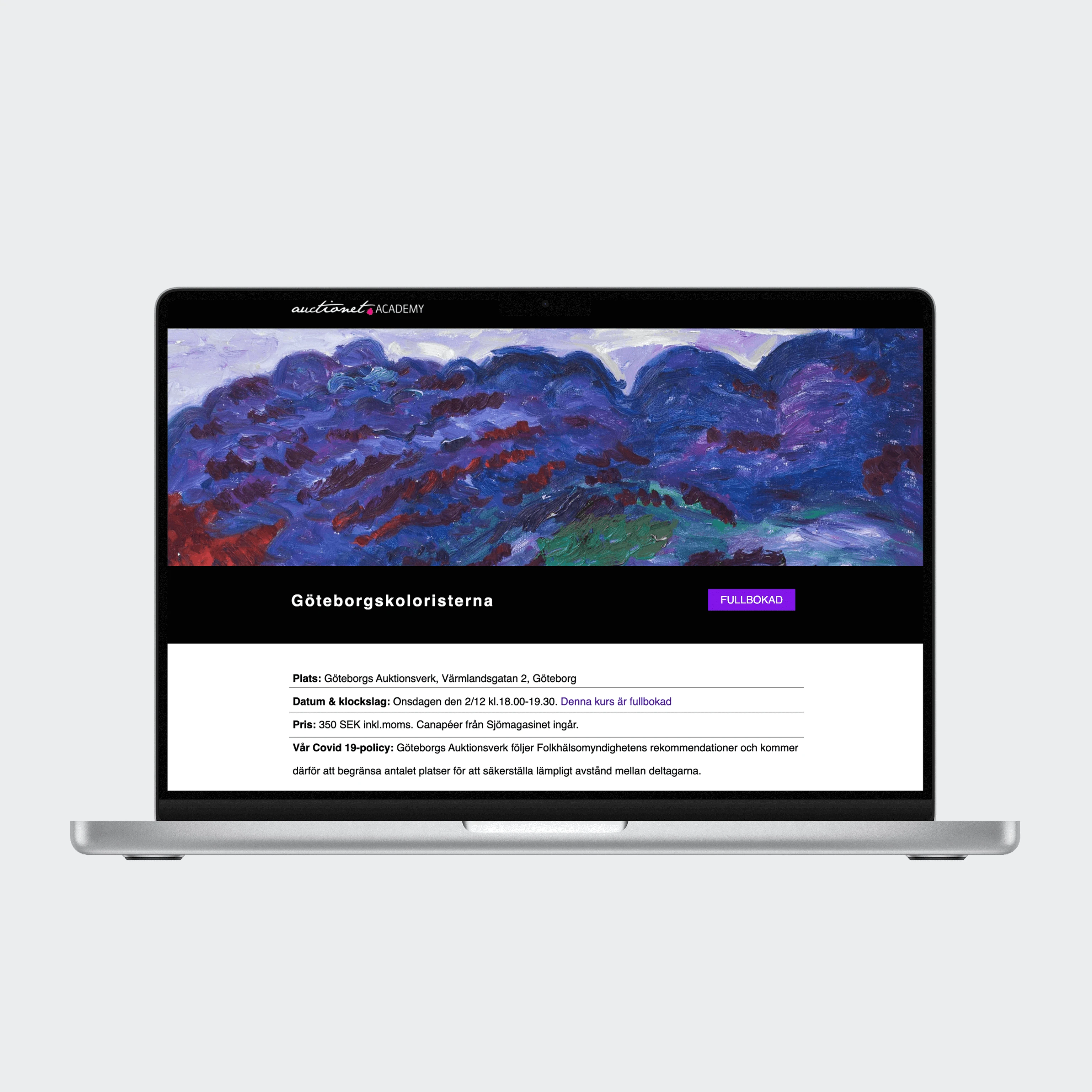
Designing and launching a learning platform MVP
Using hypothesis-driven product design and a lean approach, the idea was validated with real data
Outcomes
- ✦Accelerated time to market by 50%
- ✦Generated actionable insights on early adopters, paying users, and churn
Challenge
The company wanted to enter the B2C learning market but needed to validate the product concept quickly. Without a clear understanding of which features or audience segments would drive adoption, there was a risk of building a product that didn't meet business objectives. Accelerating time-to-market was critical to gather real user behaviour data and inform strategic decisions.
Understanding the Problem
The team lacked a validated Ideal Customer Profile (ICP) and had limited data on which features would attract early adopters. To reduce risk, a lean, rapid approach was needed: launching a minimum viable product that could test assumptions, validate business viability, and generate actionable metrics for future development. I worked closely with a stakeholder who was an expert in the field, leveraging their domain knowledge to define critical features and workflows.
Objective
Design and launch a minimum viable product (MVP) that would enable early validation of the product concept and provide the foundation for informed decisions on features, users, and growth strategy.
Approach
The design approach focused on rapid prototyping and iterative validation:
- •Conducted market research and competitor analysis to define the MVP.
- •Developed interactive prototypes to visualise the user experience and validate assumptions internally.
- •Defined the core user flows and interface, ensuring the MVP delivered a functional and intuitive experience.
- •Facilitated the collection of post-launch metrics on early adopters, usage, and revenue to guide future decisions.
Outcomes
- ✦Accelerated time to market by 50%
- ✦Generated actionable insights on early adopters, paying users, and churn
- ✦Validated the product concept and informed strategic decisions for future iterations and feature prioritisation
Reflection
This project highlighted the value of lean, hypothesis-driven design in testing new product concepts. By focusing on rapid iteration, internal validation, and data-driven insights, the MVP provided a solid foundation for informed growth decisions and demonstrated how design can directly support business strategy.